More AI Regulation is Coming in Financial Services

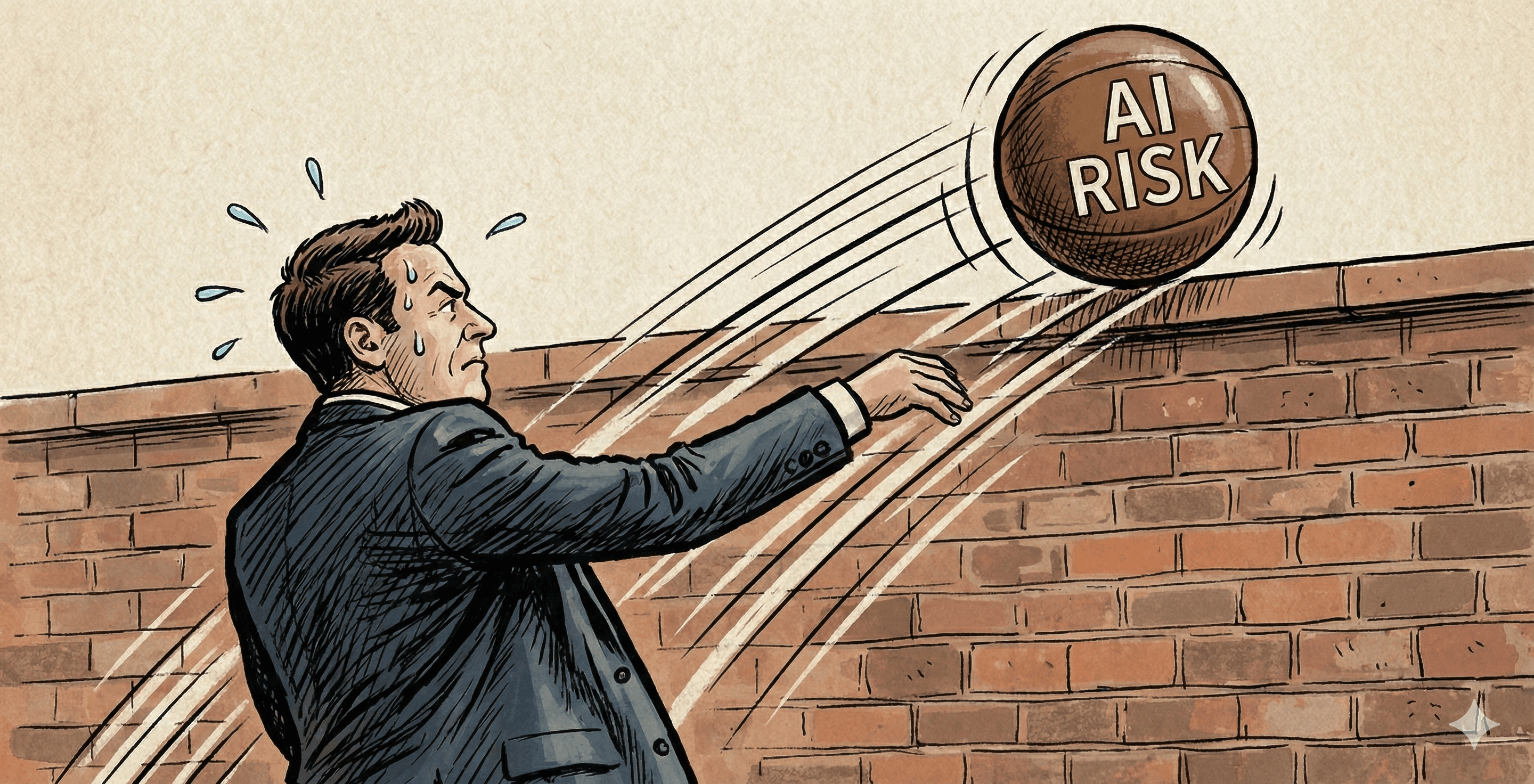
UK politicians are urging financial regulators to take a stronger line on AI oversight according to the Financial Times today. The House of Commons Treasury Committee criticised the Financial Conduct Authority, the Bank of England and the Treasury for their "wait-and-see" approach.

The criticism is pointed. According to an FCA survey, over three-quarters of UK financial services companies now use AI, yet regulators have taken a hands-off approach even as the technology transforms fraud detection, customer service, trading and investment advice. The committee called for regulators to take a more active stance on AI stress-testing and risk-management.

The risks identified include lack of transparency in AI-driven loan and insurance decisions, potential discrimination, misleading advice and new types of fraud.

Detailed rules are still being worked-out, but the trend for increased governance and regulation is clear, even as politicians and industry are pushing for increased AI investment and use.

This follows a pattern. The EU AI Act is already here, with obligations arriving in stages. Despite recent proposals to extend some deadlines, implementation continues. The EU AI Office is monitoring compliance and member states must establish regulatory sandboxes by August 2026. The direction of travel is clear even where the pace varies.

For professional services firms, particularly those in financial services, the message is consistent across jurisdictions: governance requirements are coming fast. Whether it's the EU's deployer obligations under Article 26, or the FCA developing practical guidance on accountability, organisations using AI will face increasing scrutiny on transparency, human oversight and documented processes.

Sector-specific AI regulation continues to evolve. Regulators are getting more proactive. We believe it's better to get ahead of the curve. How are you preparing?

UK politicians are urging financial regulators to take a stronger line on AI oversight according to the Financial Times today. The House of Commons Treasury Committee criticised the Financial Conduct Authority, the Bank of England and the Treasury for their "wait-and-see" approach.

The criticism is pointed. According to an FCA survey, over three-quarters of UK financial services companies now use AI, yet regulators have taken a hands-off approach even as the technology transforms fraud detection, customer service, trading and investment advice. The committee called for regulators to take a more active stance on AI stress-testing and risk-management.

The risks identified include lack of transparency in AI-driven loan and insurance decisions, potential discrimination, misleading advice and new types of fraud.

Detailed rules are still being worked-out, but the trend for increased governance and regulation is clear, even as politicians and industry are pushing for increased AI investment and use.

This follows a pattern. The EU AI Act is already here, with obligations arriving in stages. Despite recent proposals to extend some deadlines, implementation continues. The EU AI Office is monitoring compliance and member states must establish regulatory sandboxes by August 2026. The direction of travel is clear even where the pace varies.

For professional services firms, particularly those in financial services, the message is consistent across jurisdictions: governance requirements are coming fast. Whether it's the EU's deployer obligations under Article 26, or the FCA developing practical guidance on accountability, organisations using AI will face increasing scrutiny on transparency, human oversight and documented processes.

Sector-specific AI regulation continues to evolve. Regulators are getting more proactive. We believe it's better to get ahead of the curve. How are you preparing?

Category

Insights

Insights

Insights

News

News

News

Written by

Scott Druck

Blog and Articles
Blog and Articles
Blog and Articles

Latest insights and trends

What next?

Let's have a conversation.

No pressure. No lengthy pitch deck. Just a straightforward discussion about where you are with AI and whether we can help.

If we're not the right fit, we'll tell you. If you're not ready, we'll say so. Better to find that out in a 30-minute call than after signing a contract.

Two male professionals collaborating during brainstorming session
What next?

Let's have a conversation.

No pressure. No lengthy pitch deck. Just a straightforward discussion about where you are with AI and whether we can help.

If we're not the right fit, we'll tell you. If you're not ready, we'll say so. Better to find that out in a 30-minute call than after signing a contract.

Two male professionals collaborating during brainstorming session
What next?

Let's have a conversation.

No pressure. No lengthy pitch deck. Just a straightforward discussion about where you are with AI and whether we can help.

If we're not the right fit, we'll tell you. If you're not ready, we'll say so. Better to find that out in a 30-minute call than after signing a contract.

Two male professionals collaborating during brainstorming session